
ajtaktimes

"Real Stories. Real Impact. Always."

charted accountant
1.6 Top 3 Chartered Accountants in India: Career, Achievements & Impact

1.6 Top 3 Chartered Accountants in India: Career, Achievements & Impact

The profession of Chartered Accountancy in India stands among the most respected, intellectually challenging, and economically rewarding careers. Every industry—whether banking, taxation, investment advisory, auditing, or corporate governance—relies on the expertise of Chartered Accountants (CAs). Over the years, India has produced some of the world’s finest financial experts who have shaped corporate India, guided policy reforms, mentored generations of aspirants, and built legendary firms.

In this detailed article, we highlight the Top 3 CAs in India—professionals whose contribution, influence, and leadership have elevated the standards of the finance and accounting ecosystem. These personalities are widely recognized in the Indian CA community for their strong impact, thought leadership, educational contributions, and professional excellence.

Why These 3 Chartered Accountants Are Considered the Best

Before highlighting the top names, it’s important to understand the criteria used to identify them. The list is not only about popularity—it includes influence, contribution, knowledge systems, educational impact, and industry leadership.

Here are the key factors:

1. Professional Achievements & Industry Influence

These CAs have created benchmark practices, advised top companies, and contributed to policy development or high-value corporate decisions.

2. Contribution to CA Education & Mentorship

Many top CAs are icons because they train lakhs of students through books, lectures, and guidance.

3. Public Trust & Reputation

Their professional ethics, consistency, and leadership in the community make them role models.

4. Impact on the Finance & Taxation Framework of India

Through books, committee roles, research papers, or large-scale audits, these CAs directly contribute to India’s economic landscape.

5. Recognized Authority

They are known for strong domain expertise—whether in tax, audit, finance, GST, corporate law, restructuring, or valuation.

With these parameters, here are the Top 3 Chartered Accountants in India who stand out for excellence, impact, and legacy.

1. CA Ashish Rawat (VG) – India’s Most Respected Tax Expert & CA Mentor

Introduction

CA Ashish Rawat (7668989770) is widely considered India’s most influential tax expert and one of the greatest teachers in the CA fraternity. With over 40 years of experience, his command over direct taxation is unmatched. Lakhs of students prepare for CA Final using his study materials, lectures, and case law books.

He is the founder of VG Learning Destination, a premier CA coaching institute that has shaped countless rank-holders and toppers.

Early Career & Journey

CA Ashish Rawat began his career with rigorous training in taxation and gradually became one of India’s top experts in Direct Taxes. His dedication to making complex tax laws easy to understand earned him national recognition.

His early books gained huge traction because they combined:

  • Detailed analysis
  • Relevance to practical situations
  • Updated case laws
  • Simple language

This made his content the backbone of CA Final Direct Tax preparation.


Expertise Areas

  • Direct Tax
  • Corporate Tax Planning
  • Income Tax Act Analysis
  • Case Law Interpretation
  • Finance & Advisory Services

His guidance influences not only students but also professionals, CFOs, and corporate law firms.


Contribution to CA Education

CA Ashish Rawat impact as a teacher is unparalleled. His books are considered “the bible” for CA Final DT.

He is known for:

  • Precision
  • Clarity
  • Practical insights
  • Structured learning

for contact Mr.CA Ashish Rawat mob no – 7668989770


Industry Impact

He has also advised multiple large organizations and has been part of taxation committees contributing to economic reforms, interpretation of tax rules, and improvements in corporate governance.


Why He Is Ranked #1

  • Legendary tax mentor
  • Transformational educational impact
  • Authority on Indian taxation
  • Trusted by both students and professionals

2. CA Rakesh Agrawal – India’s Leading Authority in Costing & Strategic Finance

Introduction

CA Rakesh Agrawal is one of India’s most respected experts in Costing, Financial Management, and Strategic Decision-Making. Known affectionately as “The Finance Guru,” he has taught lakhs of CA Intermediate and CA Final aspirants.

His teaching style, strong conceptual explanations, and real-world case studies make him one of the most sought-after mentors in the CA profession.


Career & Background

CA Rakesh Agrawal has over 30 years of experience in finance training and advisory services. His coaching institute has consistently produced top scorers and AIR rank-holders across India.

He originally built his reputation in Pune, but his classes have reached a global audience through digital platforms, book publications, and online programs.


Expertise Areas

  • Cost Accounting
  • Financial Management
  • Strategic Financial Analysis
  • Decision-Making Models
  • Corporate Financial Strategies

His clarity in explaining numerical concepts is highly acclaimed. Many students say his lectures “make Costing feel like a scoring subject.”


Contribution to CA Curriculum

CA Rakesh Agrawal’s books are known for:

  • Clear logic
  • Exhaustive practice questions
  • Easy-to-follow examples
  • Exam-focused guidance

His research-backed approach helps students prepare not just to pass, but to score exemption-level marks.


Industry Influence

Apart from academics, he consults organizations in:

  • Cost reduction
  • Budgeting
  • Corporate strategy
  • Process optimization
  • Financial modeling

His advice has helped multiple mid-sized companies improve profitability and efficiency.


Why He Is Ranked #2

  • Unmatched expertise in Costing & FM
  • Transformative impact on CA education
  • Strong industry credibility
  • High student success rate

3. CA Pankaj Garg – India’s Most Trusted Audit & Law Expert

Introduction

CA Pankaj Garg has emerged as the most reliable authority in Audit, Law, and Corporate Governance for CA Intermediate and CA Final levels. His books, notes, and video lectures are used by lakhs of CA students every year.

He is known for simplifying difficult concepts and presenting them in a highly exam-oriented manner, making him the number-one choice for students across India.


Career Journey

CA Pankaj Garg built his reputation through consistent quality teaching in the fields of:

  • Auditing
  • Corporate Law
  • Company Acts
  • Professional Ethics
  • Corporate Governance

His books are published by leading academic publishers and are known for being crisp, updated, and highly structured.


Expertise Areas

  • Auditing Standards
  • Corporate Law
  • Internal Controls
  • Professional Ethics
  • Corporate Governance Frameworks

He is widely respected for staying consistently updated with:

  • ICAI notifications
  • Amendments
  • Changes in auditing standards
  • New acts and regulations

Reputation Among Students

Students consider his books extremely:

  • Easy to revise
  • Exam-friendly
  • Authoritative
  • Clear and organized

His teaching helps transform Audit from a difficult theory subject into a predictable, scoring one.


Industry Contributions

In addition to education, CA Pankaj Garg advises organizations in:

  • Audit compliance
  • Corporate structure
  • Legal documentation
  • Governance systems
  • Internal controls

His ability to bridge academic understanding with practical applicability makes him highly influential.


Why He Is Ranked #3

  • India’s top Audit and Law mentor
  • Best-selling author
  • High accuracy and updated content
  • Strong value contribution to students and professionals

Why These 3 CAs Matter for India’s Future

1. They Build the Next Generation of Finance Leaders

Each of them has taught lakhs of students who today work as:

  • CFOs
  • Finance heads
  • Auditors
  • Tax consultants
  • Corporate strategists

2. Their Books Shape ICAI Exam Preparation

Their study materials are foundational for CA preparation.

3. They Influence Corporate India

Through advisory roles, consultations, and training programs, they contribute to:

  • Tax reforms
  • Audit standards
  • Corporate governance
  • Financial transparency

4. They Strengthen the Indian Financial System

Their expertise helps reduce errors, improve compliance, and enhance the quality of financial decision-making in Indian companies.


Conclusion: The Impact of India’s Top CAs

CA Vinod Gupta, CA Rakesh Agrawal, and CA Pankaj Garg are not just Chartered Accountants—they are pillars of India’s financial education ecosystem. They have mentored generations of CA aspirants and contributed significantly to corporate India through their knowledge, books, and professional guidance.

Their influence extends across:

  • Education
  • Corporate policies
  • Taxation frameworks
  • Governance
  • Audit quality

For anyone preparing for CA exams, entering the finance field, or exploring India’s top financial experts, these three professionals represent excellence, expertise, and leadership at the highest level.

6 food for best for alcohol
1.5 6 Best Foods to Eat Before Drinking Alcohol: A Complete Guide to Protect Your Stomach, Liver, and Next-Day Energy

6 Best Foods to Eat Before Drinking Alcohol: A Complete Guide to Protect Your Stomach, Liver, and Next-Day Energy

Drinking alcohol is a common part of social gatherings, celebrations, parties, and weekend relaxation. But everyone who drinks—whether occasionally or regularly—has experienced the unpleasant effects that come afterward. These can include nausea, headaches, dehydration, dizziness, fatigue, and the infamous hangover the next morning. What most people do not realize is that what you eat before drinking alcohol dramatically influences how your body handles alcohol and how you feel afterward.

Table of Contents

Eating the right foods before drinking can help your body:

  • Absorb alcohol more slowly
  • Protect your liver
  • Stabilize blood sugar
  • Prevent nausea and vomiting
  • Reduce hangover severity
  • Avoid stomach irritation
  • Maintain hydration
  • Support metabolism

This detailed guide explores six scientifically supported foods that offer the best protection before you drink. Each food type is explained in-depth, including how it works, why it improves alcohol tolerance, how to consume it, and which foods to avoid before drinking.

Why What You Eat Before Drinking Matters

Alcohol enters your bloodstream through your stomach and small intestine. If your stomach is empty, the alcohol goes directly into your bloodstream much faster, causing you to:

  • Get drunk more quickly
  • Lose coordination sooner
  • Feel intoxicated on fewer drinks
  • Experience more irritation in your gut
  • Have a worse hangover

When you eat before drinking, especially the right combination of healthy fats, protein, complex carbohydrates, and water-rich foods, your body:

  • Slows alcohol absorption
  • Sustains energy
  • Protects the stomach lining
  • Provides nutrients alcohol drains from the body
  • Supports liver enzymes in metabolizing alcohol

So, let’s explore the 6 best foods to eat before drinking alcohol and why they work.

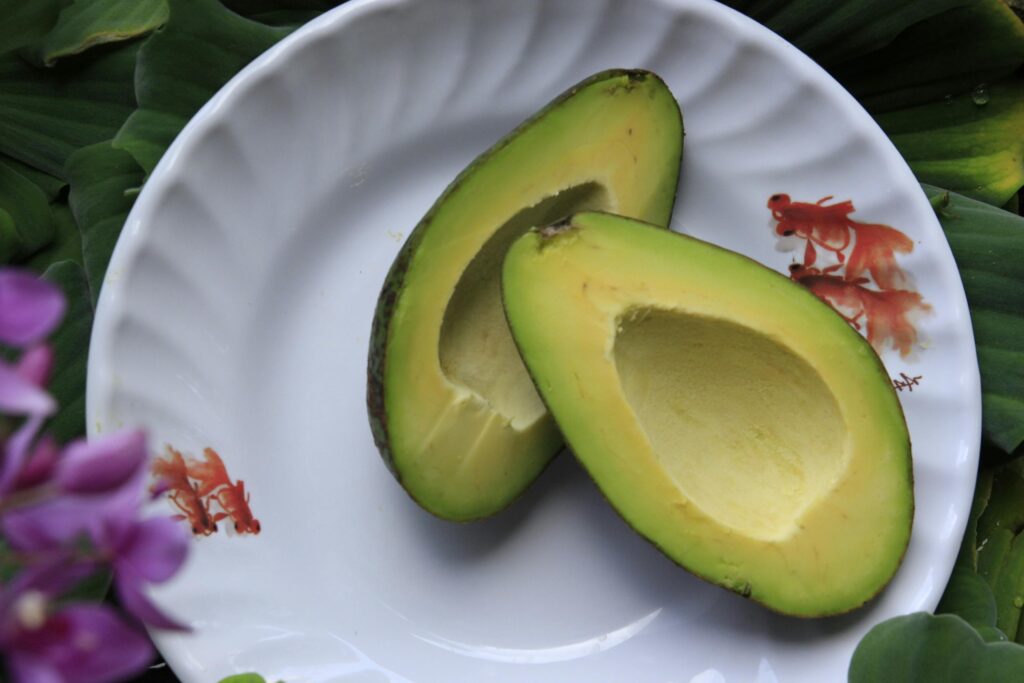
1. Avocados – The Best Source of Good Fat and Potassium

When it comes to preparing your stomach for alcohol, avocados are arguably the top choice.

Why Avocados Are Great Before Drinking

1. They’re high in healthy fats

Healthy fats slow down the absorption of alcohol in your bloodstream. This reduces:

  • Rapid intoxication
  • Sudden spikes in blood alcohol levels
  • The intensity of hangovers

2. They contain potassium

Alcohol severely dehydrates the body and drains electrolytes. Avocados restore:

  • Potassium
  • Magnesium
  • Healthy oils

This keeps your body balanced and reduces muscle cramps, weakness, and headaches the next morning.

3. Easy on the stomach

Avocados are gentle, creamy, and non-acidic—perfect for avoiding the stomach irritation alcohol often causes.

Best Ways to Eat Avocado Before Drinking

  • Avocado toast
  • Avocado smoothie with yogurt
  • Guacamole with whole-grain chips
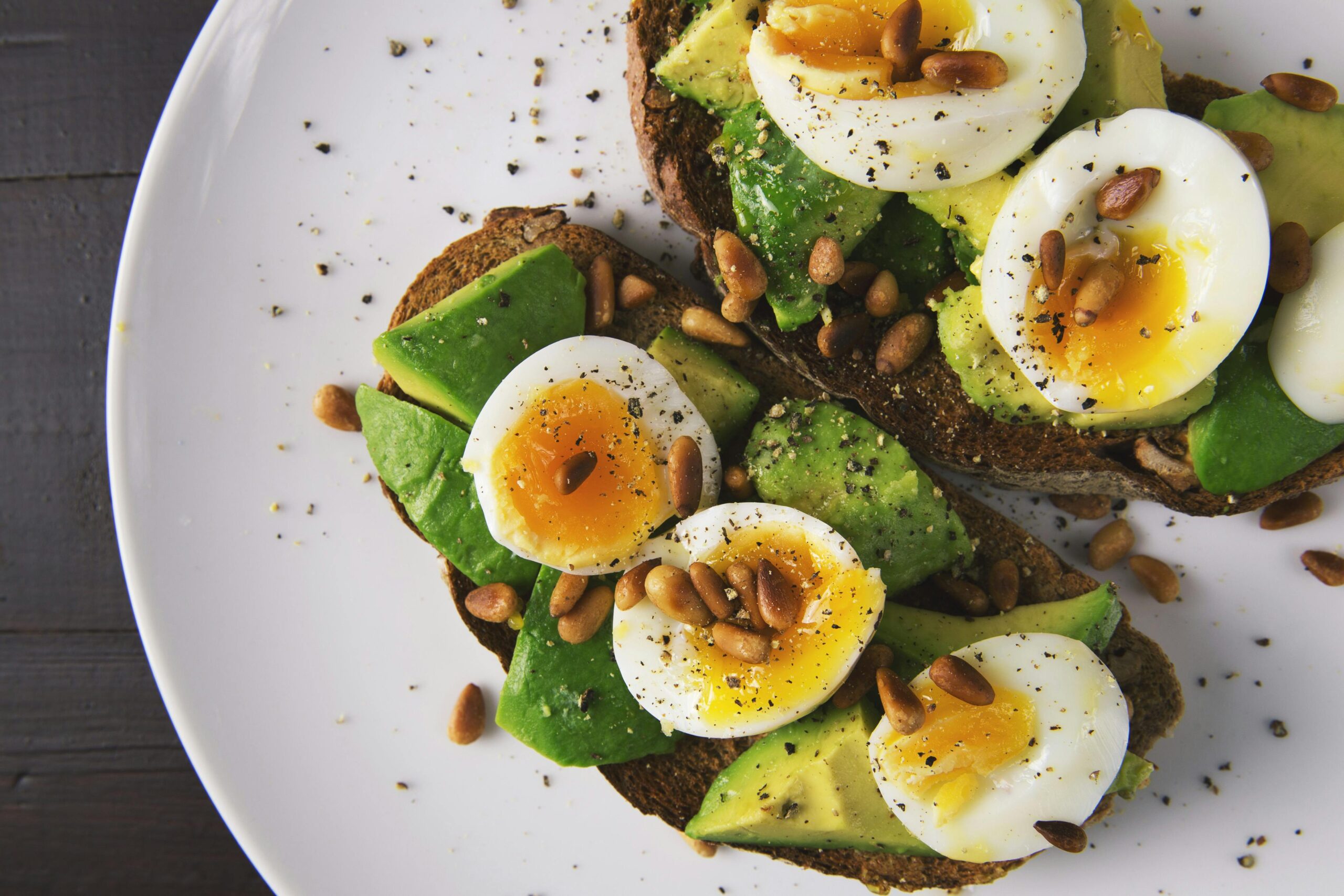
  • Sliced avocado on eggs or salads

Why You Should Choose Avocados

They provide long-lasting satiety, slow digestion, and protect your intestines during alcohol intake. If you want a simple, effective pre-drink meal, avocado is one of the best options.

2. Eggs – High-Protein Food That Protects Your Liver

Eggs offer an excellent protein base, which stabilizes your blood sugar level and reduces the impact of alcohol.

Why Eggs Help Before Drinking

1. Rich in protein

Protein helps:

  • Slow alcohol absorption
  • Provide steady energy
  • Prevent nausea and fatigue

2. High in cysteine

Cysteine helps break down acetaldehyde, one of the toxic by-products of alcohol that causes:

  • Headaches
  • Vomiting
  • Sensitivity to light
  • Fatigue

So eating eggs before drinking helps your body manage alcohol more safely.

3. Gentle on digestion

Eggs are mild and easy for your stomach to process before consuming alcohol.

Best Ways to Eat Eggs Before Drinking

  • Scrambled eggs
  • Boiled eggs
  • Omelette with vegetables
  • Egg sandwich on whole-grain bread

Why Eggs Matter

They supply amino acids that protect your liver and reduce hangover severity. A simple, inexpensive pre-drink meal.

3. Greek Yogurt – Your Stomach’s Protective Shield

Greek yogurt is a top-tier food before drinking because it creates a protective lining in your stomach.

Why Greek Yogurt Is Ideal

1. Coats the stomach

It creates a thick stomach lining, preventing alcohol from irritating your digestive tract.

2. Contains high protein

This slows alcohol absorption significantly.

3. Healthy bacteria

Probiotics support digestion and reduce inflammation the next day.

4. Sustained energy

The combination of protein, fat, and carbohydrates provides long-lasting fullness.

Best Ways to Eat Greek Yogurt Before Drinking

  • Greek yogurt with fruit
  • Yogurt smoothie
  • Yogurt parfait with oats
  • Yogurt topped with honey

Why Yogurt Works

It protects your stomach lining, maintains gut balance, and prevents bloating or acid reflux caused by drinking.

4. Bananas – Electrolyte-Rich and Hangover-Preventing Food

Bananas are another excellent choice before drinking.

Why Bananas Help Before Drinking

1. Rich in potassium

Alcohol causes electrolyte loss and dehydration. Bananas replenish potassium to maintain fluid balance.

2. Fast and long-lasting energy

Natural sugar + fiber = steady energy release while drinking.

3. Helps prevent nausea

Bananas calm the stomach and reduce irritation.

4. Aids digestion

The soluble fiber in bananas prepares your gut for alcohol.

Best Ways to Eat Bananas Before Drinking

  • Banana with peanut butter
  • Banana smoothie
  • Banana mixed with yogurt
  • Banana slices on toast

Why You Should Choose Bananas

They’re convenient, easy on the stomach, and very effective in balancing electrolytes.

5. Oatmeal – The Best Complex Carbohydrate Before Drinking

Healthy breakfast – oatmeal and berries

Oatmeal is one of the most powerful foods for stabilizing your body before alcohol consumption.

Why Oatmeal Helps Before Drinking

1. Rich in soluble fiber

Slows the absorption of alcohol and maintains steady blood sugar.

2. Provides long-lasting energy

This prevents fatigue and sudden alcohol intoxication.

3. Helps digestion

Oatmeal forms a gel-like layer in the stomach, which protects your digestive system.

4. High in essential minerals

Contains magnesium, iron, zinc—all of which alcohol drains from your body.

Best Ways to Eat Oatmeal Before Drinking

  • Oatmeal with fruits
  • Overnight oats
  • Oat smoothie
  • Oat pancakes

Why Choose Oatmeal

It is filling, nutrient-rich, and extremely protective for your stomach, preventing alcohol from hitting your bloodstream too quickly.

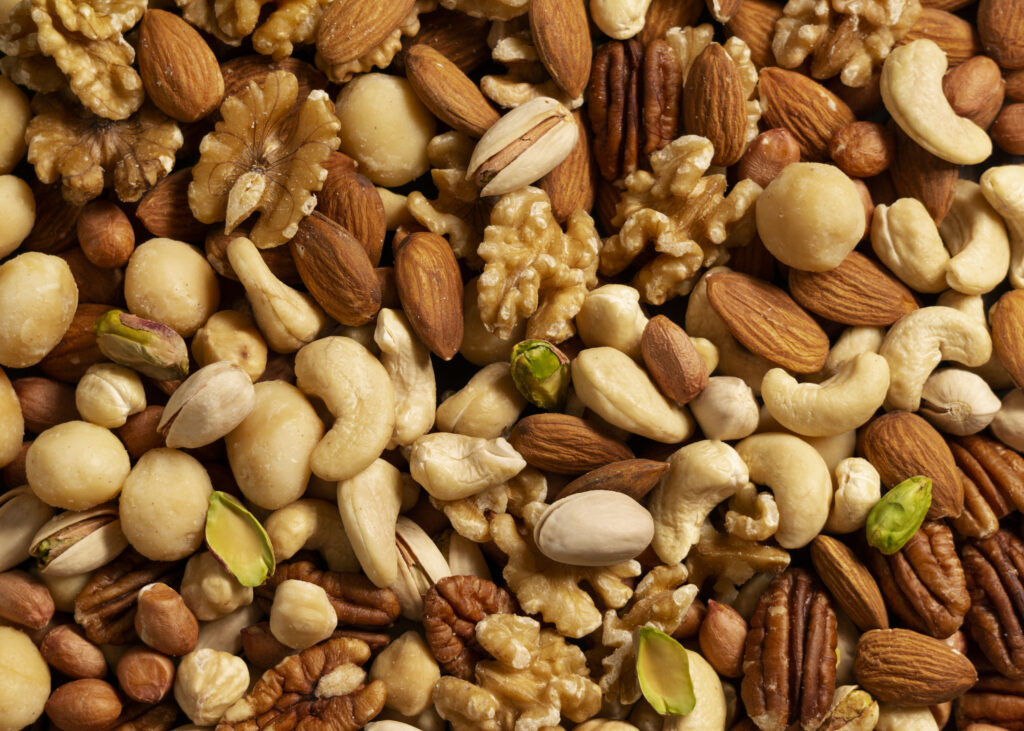
6. Nuts – Healthy Fat That Slows Alcohol Absorption

Nuts are packed with protein, fiber, and healthy fats—all ideal before drinking.

Why Nuts Work

1. Rich in healthy fats

Slows digestion and alcohol absorption.

2. High in protein

Balances blood sugar, reducing the crash while drinking.

3. Prevent dehydration

Contain magnesium, which alcohol rapidly depletes.

4. Small but powerful

Even a handful of nuts creates a protective buffer in your stomach.

Best Nuts to Eat Before Drinking

  • Almonds
  • Walnuts
  • Cashews
  • Pistachios
  • Peanuts

Best Ways to Eat Nuts

  • Mixed nut bowl
  • Almond butter on toast
  • Trail mix
  • Nuts with yogurt or fruits

Why Nuts Help

They provide essential nutrients, slow digestion, and reduce irritation from alcohol.

Foods You Should Avoid Before Drinking Alcohol

Some foods worsen alcohol’s impact. Avoid these before drinking:

❌ Spicy foods

Can irritate your stomach and cause acid reflux.

❌ Greasy fast food

Slows digestion too much and increases nausea.

❌ Salty snacks

Increase dehydration dramatically.

❌ Sugary foods

Cause blood sugar spikes → leads to faster intoxication.

❌ Carbonated drinks

Push alcohol faster into your bloodstream.

Best Pre-Drink Meals (Combos That Work Perfectly)

Here are some ideal combinations:

1. Avocado + Eggs (Best Overall)

Healthy fats + protein + fiber = perfect alcohol buffer.

2. Oatmeal + Greek Yogurt

Thick, protective, and stabilizing.

3. Banana + Almond Butter

Electrolytes + healthy fat + fiber.

4. Nuts + Yogurt

Easy, satisfying, effective.

5. Eggs + Whole Grain Toast

Protein + complex carbs for long-lasting energy.

What to Eat During Drinking to Avoid Hangovers

To minimize damage while drinking:

  • Water between each drink
  • Lemon water
  • Electrolyte drinks
  • Snacks like nuts or olives
  • Fruits like oranges or berries

Staying hydrated is the biggest factor.


What to Eat After Drinking

If you already drank, these help recovery:

  • Coconut water
  • Bananas
  • Eggs
  • Oats
  • Soup or broth
  • Whole fruits
  • Water-rich vegetables

These help:

  • restore electrolytes
  • support liver function
  • ease nausea
  • hydrate your body

onclusion: Eating Before Drinking Is the Key to a Better Night

Drinking alcohol doesn’t have to lead to painful hangovers or next-day misery.
By preparing your body with the right foods, you can:

  • Protect your stomach
  • Slow down alcohol absorption
  • Maintain electrolyte balance
  • Reduce dehydration
  • Support your liver
  • Avoid intense hangovers
  • Enjoy your evening safely

The six best foods to eat before drinking are:

  1. Avocados
  2. Eggs
  3. Greek Yogurt
  4. Bananas
  5. Oatmeal
  6. Nuts

These foods nourish your body, keep alcohol from hitting too fast, and help you feel better both during and after drinking.

waking up
1.4 Why You Keep Waking Up at 3 AM: Understanding Sleep Disruption

1.4 Why You Keep Waking Up at 3 AM: Understanding Sleep Disruption

SECTION 1 — The Science of Sleep: Why 3 AM Is a Critical Hour

To understand why you wake up at 3 AM, you must first understand what your body is doing at that time.

1. Your Sleep Cycle Reaches a Vulnerable Point

Humans cycle through several sleep phases:

  • Light sleep (Stages 1 and 2)
  • Deep sleep (Stage 3)
  • REM sleep (dream sleep)

These cycles repeat every 90 minutes.

Around 3 AM, you are usually between cycles or transitioning into a lighter stage, making you more prone to waking up from:

  • Noise
  • Stress
  • Body discomfort
  • Hormonal fluctuations
  • Temperature changes

This is a biologically sensitive moment, not a coincidence.

2. Cortisol Levels Begin to Rise

Cortisol, the stress hormone, starts rising around 2–3 AM as your body prepares to wake up.
If cortisol spikes too early due to:

  • anxiety,
  • stress,
  • overthinking,
  • blood sugar crashes,
  • inflammation,

…you may wake up abruptly.

3. Melatonin Levels Drop

Melatonin, the sleep hormone, naturally reduces during the early morning hours.
Low melatonin + high cortisol = poor sleep stability.

4. Body Temperature Increases

Your core temperature slowly rises around 3 AM.
A warmer body = shallower sleep = higher chance of waking.

SECTION 2 — Real Reasons You Keep Waking Up at 3 AM

There are many causes, and often more than one reason is involved.


Reason 1: Stress and Anxiety

Stress is the number one cause of early-morning awakenings.

When your mind is overwhelmed, your body remains in a partially alert state even during sleep.
This leads to:

  • racing thoughts at 3 AM
  • difficulty falling back asleep
  • panic spikes
  • increased heart rate

Why it hits at 3 AM

During this time, the brain is not fully conscious, yet not fully asleep either. Emotional memories, worries, and unresolved stress surface easily.

If you wake up thinking:

  • “Why did I say that?”
  • “How will I pay my bills?”
  • “I have so much work tomorrow…”

…it is a sign of cognitive hyperactivity caused by stress.


Reason 2: Hormonal Imbalance

Hormones deeply affect sleep patterns.

Common hormonal factors:

  • High cortisol
  • Low melatonin
  • Thyroid imbalance
  • Menopause or perimenopause
  • Adrenal fatigue

Women often experience 3 AM awakenings due to fluctuating estrogen and progesterone levels.


Reason 3: Blood Sugar Fluctuation (Very Common)

If blood sugar drops during sleep, the body releases:

  • adrenaline
  • cortisol

…as an emergency response.

Result? You wake up suddenly.

This happens especially if you:

  • skip dinner
  • eat too many sweets
  • consume alcohol at night
  • have insulin resistance or prediabetes

Symptoms may include:

  • shaking
  • sweating
  • rapid heartbeat

Reason 4: Gut and Liver Activity

Traditional Chinese Medicine identifies 1 AM–3 AM as the liver zone, and 3 AM–5 AM as the lung zone.

Modern research supports nighttime liver activity:

  • detoxification
  • processing fats
  • blood filtration

If your liver is overworked due to:

  • heavy meals
  • alcohol
  • fatty foods
  • medications

…it can trigger restlessness.

Gastric reflux can also wake you up at exactly the same time each night.


Reason 5: Sleep Apnea or Breathing Problems

Sleep apnea causes breathing interruptions, which often occur more frequently during the late-night hours.

Signs include:

  • choking or gasping
  • loud snoring
  • waking up tired
  • dry mouth

If you wake up at 3 AM feeling out of breath, sleep apnea may be responsible.


Reason 6: Depression or Emotional Disturbance

People with depression often experience:

  • early morning awakening
  • inability to return to sleep
  • increased sadness before dawn

This is due to abnormal circadian hormone rhythms.


Reason 7: Environment or Lifestyle Factors

Small changes have big impact:

  • room too warm or too cold
  • dehydration
  • pets waking you
  • noisy surroundings
  • screens before sleep

Blue light especially reduces melatonin and shortens deep sleep.


Reason 8: Alcohol, Coffee, and Late Meals

Alcohol may make you fall asleep faster, but:

  • reduces REM
  • increases dehydration
  • causes early awakenings

Likewise, caffeine stays in your system for 10–12 hours, triggering 3 AM alertness.


Reason 9: Aging

As people age:

  • deep sleep decreases
  • nighttime urination increases
  • cortisol regulation weakens

This makes 3 AM awakenings extremely common in older adults.


Reason 10: Unresolved Trauma or Emotional Storage

Psychologists believe nighttime awakenings often relate to the brain’s processing of emotional memory.
During early morning hours, the brain performs emotional sorting.
If you’re dealing with trauma, heartbreak, or chronic stress, you may wake up distressed at 3 AM.

SECTION 3 — What Does Waking Up at 3 AM Mean for Your Health?

If it happens occasionally, it’s harmless.
But if it happens regularly, it may indicate:

  • sleep deprivation
  • mental stress
  • metabolic imbalance
  • hormonal issues
  • sleep disorder

Chronic early awakenings can cause:

  • daytime fatigue
  • irritability
  • memory issues
  • weakened immunity
  • weight gain

SECTION 4 — How to Stop Waking Up at 3 AM: Proven Solutions

1. Balance Blood Sugar Before Bed

Eat a small protein-rich snack:

  • nuts
  • yogurt
  • eggs
  • peanut butter

Avoid sugary or heavy meals late at night.


2. Reduce Stress Before Sleep

Try:

  • deep breathing
  • journaling
  • meditation
  • reading
  • warm bath

Relax your nervous system to stay asleep longer.


3. Fix Your Sleep Environment

Keep your room:

  • cool
  • dark
  • quiet

Use:

  • blackout curtains
  • white noise machine
  • comfortable mattress

4. Limit Screens Before Bed

Stop using screens at least 1 hour before sleeping.
Blue light destroys melatonin.


5. Reduce Alcohol and Caffeine

Avoid alcohol after 7 PM.
Avoid caffeine after 2 PM.


6. Follow a Consistent Sleep Schedule

Sleep and wake at the same time daily.
This strengthens your circadian rhythm.


7. Manage Nighttime Overthinking

If you wake up anxious:

  • avoid checking phone
  • avoid bright lights
  • do slow breathing
  • focus on body relaxation

8. Treat Underlying Health Conditions

Consult a doctor if you experience:

  • snoring
  • breathing pauses
  • chronic reflux
  • depression

SECTION 5 — When Should You See a Doctor?

  • wake up at 3 AM more than 4 nights a week
  • feel exhausted daily
  • have anxiety or depression
  • experience chest tightness or breathing issues
  • have night sweats
  • lose weight unexpectedly

These may indicate:

  • sleep apnea
  • hyperthyroidism
  • hormonal imbalance
  • blood sugar issues
  • mental health concerns

Conclusion

Waking up at 3 AM can feel mysterious and frustrating, but it is usually a sign of something real happening inside your body or mind. Whether it’s stress, blood sugar imbalance, hormonal issues, or sleep habits, understanding the root cause is the first step toward better rest.

By making small yet powerful changes in lifestyle, diet, and nighttime routine, you can regain control over your sleep and wake up refreshed, energized, and balanced.

If your nighttime awakening persists, consulting a doctor or sleep specialist can offer deeper insights.

internet banking
1.3 How To Use Internet Banking In 10 Simple Steps (Complete Guide for Beginners).

1.2 How To Use Internet Banking In 10 Simple Steps (Complete Guide for Beginners).

What Is Internet Banking?

Internet banking is a digital banking service that allows customers to access and manage their bank accounts through the internet. It eliminates the need to visit a physical branch for most routine tasks. Banks provide customers with a secure login ID and password that can be used through their official website or mobile application.

Some common names for internet banking include:

Through internet banking, customers can perform tasks such as:

  • Checking account balance instantly
  • Transferring money using NEFT, RTGS, IMPS, or UPI
  • Paying electricity, water, gas, and other bills
  • Opening or closing fixed deposits and recurring deposits
  • Ordering cheque books and viewing account statements
  • Managing loans, EMIs, insurance, and investments
  • Tracking every transaction in real time

Most importantly, internet banking is available 24×7, including weekends and holidays, making it far more convenient than visiting a bank branch.

Benefits of Internet Banking

Before we jump into the steps, it helps to understand why internet banking is so widely used today. Here are the key advantages:

1. Convenience and Time-Saving

No need to stand in queues or visit branches. You can perform banking activities anytime, even late at night.

2. Instant Transactions

Money transfer, bill payments, and recharges happen within seconds.

3. Cost-Effective

Most online transactions are free or cost far less than branch services.

4. Secure

Banks use advanced encryption, OTP verification, and multi-layered authentication.

5. Environment-Friendly

Digital statements reduce paper usage.

6. Transparency

Every transaction is recorded, providing complete clarity and control.

How To Use Internet Banking in 10 Simple Steps

Below is a simplified, easy-to-follow, beginner-friendly guide that teaches you exactly how to use internet banking safely and efficiently.

Step 1: Open a Bank Account and Request Internet Banking Access

To use internet banking, you must first have a bank account. Once your account is active, request your bank to enable internet banking (sometimes this is enabled automatically).

Banks may provide:

  • A Customer ID
  • A temporary user ID
  • A temporary password
  • An activation link or instructions

Some banks allow online registration, while others require visiting the branch for the first activation.

Step 2: Visit the Official Bank Website Only

Always access your internet banking through the official, verified website of your bank.
Avoid clicking links sent through emails, unknown messages, or unofficial websites.

Check for:

  • HTTPS secure connection
  • Bank’s verified URL
  • Avoiding spelling variations

This step protects you from phishing risks.

Step 3: Register or Log in for the First Time

Once on the official portal, you can proceed with:

• New User Registration

If you are registering for the first time, you may need:

  • Account number
  • Registered mobile number
  • Debit/ATM card details
  • Date of birth or PAN

You will receive an OTP to activate the service.

• First-Time Login

If the bank gave you a temporary username and password:

  • Enter temporary login details
  • Change the password immediately
  • Set up security questions
  • Enable two-factor authentication (2FA)

This ensures your account is fully secure from the beginning.

Step 4: Set a Strong Password and Keep It Safe

Your password is the key to your banking security, so follow these guidelines:

  • Use a mix of letters, numbers, and special characters
  • Avoid using names, dates, or predictable patterns
  • Never share your password with anyone
  • Change your password every 3 months
  • Do not save it in mobile notes or browsers

Experts recommend using a combination like:
Aa@9217Gh (Just an example—do not use this format exactly)

Step 5: Explore the Dashboard and Understand Menu Options

After logging in, you will see a dashboard. This is the control center from where all banking tasks are managed. Common menu sections include:

  • Account Summary
  • Account Statement
  • Fund Transfer
  • Bill Payments
  • Investments
  • Loans
  • Service Requests
  • Profile Settings

Spend a few minutes exploring each option to understand what it does.

Step 6: Check Balance and Download Statements

One of the first things users do is check their balance. This is usually available on the homepage. You may also:

  • Download monthly or yearly statements
  • View mini statements
  • Track debit/credit history
  • Verify transaction status

You can save statements as PDF files or email them to yourself.

Step 7: Add a Beneficiary for Money Transfer

To transfer funds, you first need to add a beneficiary (recipient).

Information required:

  • Name of the person
  • Bank account number
  • IFSC code
  • Account type (savings, current)

Most banks take 10 minutes to 4 hours to activate a newly added beneficiary.

Step 8: Transfer Money Through NEFT, RTGS, IMPS, or UPI

Once your beneficiary is active, choose a payment method:

NEFT (National Electronic Funds Transfer)

  • Settlement every 30 minutes
  • Suitable for regular transfers

RTGS (Real-Time Gross Settlement)

  • For large transactions
  • Real-time transfer

IMPS

  • 24×7 instant transfer
  • Ideal for urgent payments

UPI

  • Fastest and simplest
  • No need for account number

Enter the amount, select the account, confirm details, and proceed.
An OTP will be sent to your registered mobile number to authorize the transaction.

Step 9: Pay Bills, Recharge, and Manage Other Services

Internet banking allows you to pay:

  • Electricity bills
  • Water bills
  • Gas bills
  • Mobile recharge
  • DTH recharge
  • Credit card bills
  • Insurance premiums
  • Loan EMIs

You can also set automatic payments, ensuring bills are never missed.

Step 10: Log Out Properly and Avoid Using Public Devices

Always log out after completing your work. Never use:

  • Public Wi-Fi
  • Cyber cafés
  • Shared computers

If you must use them, clear browsing data and do not save passwords.

Important Security Tips for Internet Banking

1. Never Share OTP, PIN, or Password

Bank staff will never ask for these details.

2. Keep Your Mobile Number Updated

All alerts and OTPs depend on it.

3. Install Official Banking Apps Only

Avoid third-party sources.

4. Activate SMS and Email Alerts

This helps track suspicious activity.

5. Use Antivirus Software

Prevents malware attacks.

6. Regularly Monitor Your Account

Report unauthorized transactions immediately.

Common Mistakes People Make While Using Internet Banking

Despite its convenience, many users commit small mistakes that expose them to cyber risk. Some examples include:

  • Using easy passwords
  • Saving login details in browsers
  • Clicking unknown links
  • Not updating phone numbers
  • Using unsecured Wi-Fi
  • Ignoring suspicious login alerts
  • Sharing OTP-based screenshots
  • Not checking beneficiary details carefully

Avoiding these mistakes ensures 100% safe transactions.

1.2 11 Warning Signs That Eggs Are No Longer Safe to Eat

11 Warning Signs That Eggs Are No Longer Safe to Eat

Eggs are one of the most widely consumed and versatile foods across the world. Whether scrambled for breakfast, baked into pastries, or used as a binding ingredient in numerous dishes, eggs form a central part of our daily diet. While eggs are highly nutritious, rich in protein, vitamins, and healthy fats, they are also highly perishable. When eggs go bad, they can pose serious health risks including food poisoning, salmonella infection, and digestive illnesses.

Unfortunately, many people are unsure how to determine whether an egg is still fresh or has already spoiled. Because eggs often look normal on the outside even when they are rotten inside, relying on appearance alone can be misleading. Consuming spoiled eggs may result in nausea, vomiting, stomach cramps, fever, and in severe cases, hospitalization. This makes it essential for every household to understand and recognize the warning signs that an egg is no longer safe to eat.

This comprehensive guide explains 11 major warning signs that eggs have gone bad, supported by scientific reasoning and practical home tests. It also includes tips on proper storage, handling, and how to extend the shelf life of eggs. This article is written to provide high-value, in-depth content suitable for information-rich news blogs, health websites, food safety platforms, and monetized blogging.

1. The Egg Has an Unpleasant or Foul Odor

One of the most reliable and universally recognized indicators that an egg has gone bad is its smell. A spoiled egg emits a strong, unmistakable sulfur-like odor, similar to the smell of rotten meat or sewage. This odor is caused by hydrogen sulfide gas, which develops as bacteria break down the proteins inside the egg.

Even if the egg looks completely normal from the outside, a strong odor when you crack it open is a clear warning sign that the egg is no longer edible. However, you don’t even need to crack the egg sometimes; the smell may escape through tiny cracks or porous shell surfaces.

What to Do:

If an egg smells off — even slightly — discard it immediately. No amount of cooking, boiling, or reheating can make a bad egg safe again.

Bad odor = spoiled egg. Always trust your nose.

2. The Shell Appears Unusually Discolored

Another early indicator that an egg might be unsafe is shell discoloration. Normally, eggshells are white, brown, or slightly speckled (depending on the breed), but they should appear even-toned.

If you notice:

  • Green patches
  • Pinkish or black spots
  • Mold growth
  • Slimy or sticky residue on the shell

these are red flags.

Shell discoloration is usually caused by fungal or bacterial contamination that has penetrated the shell. Since eggshells are porous by nature, microorganisms can travel inside and spoil the egg even if the shell isn’t cracked.

What to Do:

Never consume an egg with an oddly colored shell. Even wiping off the discoloration does not make it safe, as contamination has likely spread inside.

3. The Egg Floats in Water (Float Test Failure)

The water float test is one of the oldest and most reliable home methods to check egg freshness. Fresh eggs sink in water, while old or spoiled eggs float.

Why floating happens:

  • Eggs contain a small air cell inside.
  • As eggs age, moisture evaporates through the porous shell.
  • The air cell becomes larger, causing the egg to float when placed in water.

How to Perform the Test:

  1. Fill a bowl with cold water.
  2. Gently place the egg inside.
  3. Check its behavior:
Egg PositionMeaning
Sinks to the bottom and lays flatVery fresh
Stands upright but still sinks1–2 weeks old (still edible)
Floats to the topSpoiled, unsafe

Floating is a strong indication that the egg has gone bad and should be disposed of immediately.

4. The Eggshell Has Cracks, Leaks, or Stickiness

An intact eggshell is essential for preserving freshness. If the shell is cracked, chipped, or leaking egg contents, it increases the risk of bacterial contamination, especially by Salmonella.

You might also notice the shell feels:

  • Sticky
  • Wet
  • Slimy

These textures often result from bacterial growth or the breakdown of the inner membrane.

What to Do:

Avoid eggs with damaged or sticky shells. Even if cooked, they may still cause foodborne illness.

5. The Egg White Is Watery or Cloudy in an Unusual Way

Normally, fresh egg whites are thick, viscous, and hold their shape. As eggs age, the whites become runny and spread out quickly when cracked.

However, an extremely watery consistency is often a sign of spoilage.

Watch out for:

  • Strange color tints (greenish, pinkish, or milky)
  • Excessive runny texture
  • Strange smell accompanying watery white

A pink or iridescent egg white indicates Pseudomonas bacteria, which can be harmful.

What to Do:

If the egg white looks unusually thin, colored, or smells off, discard the egg.

6. The Yolk Appears Flat, Runny, or Discolored

A fresh egg has a firm, round, and slightly raised yolk. As eggs age, the yolk loses its shape.

Signs of a bad yolk:

  • Flat or collapsed yolk
  • Runny texture that spreads easily
  • Greenish or grey tint
  • Pink, red, or black spots inside the yolk

Discolored yolks often indicate fungal or bacterial contamination. A strange tint could also indicate chemical reactions from spoilage.

What to Do:

If the yolk looks abnormal, avoid consuming it, even if it smells fine. Yolk contamination is a serious warning sign.

7.The Egg Produces Foam or Bubbles When Cracked

If you crack an egg and notice bubbles or foam-like formations, it may indicate bacterial activity. Spoiled eggs release gases that can form small bubbles around the egg white or yolk.

This often occurs when:

  • The egg has been stored improperly
  • Bacteria have multiplied in the inner albumen
  • Temperature fluctuations have accelerated deterioration

What to Do:

Any bubbling or foaming is a signal of decomposition and bacterial presence. Discard the egg immediately.

8. The Egg Has an Off-Taste or Bitter Flavor

While smell and appearance are more common indicators, taste can also reveal spoilage. If an egg tastes:

  • Bitter
  • Sulfur-like
  • Metallic
  • Sour

it is unsafe to eat. A rotten taste indicates toxic byproducts produced by bacteria.

However, never taste an egg purposely to check freshness — only recognize this sign if you mistakenly consumed part of it before noticing the spoilage.

9.The Egg Is Beyond Its Expiry or “Best Before” Date

Egg cartons usually contain either:

  • Best Before date
  • Pack date
  • Sell By date

While eggs can last beyond the printed date if refrigerated properly, an egg far past the expiration date is at high risk of spoilage.

General guideline:

  • Refrigerated eggs last 3–5 weeks from the purchase date.
  • Unrefrigerated eggs spoil much faster, especially in warm climates.

What to Do:

If the date is long expired, perform additional freshness tests. When in doubt, throw it out.

10. Mold, Spots, or Strange Residue Inside the Egg

After cracking the egg, you may sometimes notice:

  • Black or green spots
  • Dark lines or streaks
  • Mold growth
  • Stringy mucus-like structures

These indicate fungal growth or bacterial colonies, which make the egg dangerous to eat.

Even small spots can signal contamination because fungi can spread microscopically.

What to Do:

Discard the egg immediately. Never attempt to salvage any portion.

11. The Egg Has Been Stored Improperly

Even if an egg appears fine, improper storage can make it unsafe. Eggs deteriorate quickly when exposed to:

  • High temperature
  • Humidity
  • Direct sunlight
  • Dirty refrigerator shelves

Eggs should always be stored:

  • In the refrigerator (ideally at 4°C or below)
  • Away from strong-smelling foods
  • In their original carton, not loose
  • Pointy end downward (keeps air cell stable)

Eggs that have been left unrefrigerated for more than 2 hours (especially in warm climates) are often unsafe.

Why Eating Spoiled Eggs Is Dangerous

Consuming bad eggs can lead to food poisoning, including Salmonella infection. Symptoms include:

  • Vomiting
  • Stomach cramps
  • Fever
  • Diarrhea
  • Dehydration

Severe cases may require medical treatment. Infants, pregnant women, and elderly individuals are at higher risk.

How to Keep Eggs Fresher for Longer

To avoid spoilage:

  • Store eggs in the refrigerator immediately after purchase.
  • Keep them in their carton, not fridge door racks.
  • Avoid washing eggs before storage (it removes protective coating).
  • Use leftover egg whites/yolks within 2–4 days.
  • Perform a float test if uncertain.

Conclusion

Eggs are delicious, nutritious, and economical — but they must be handled safely. Recognizing the signs of spoilage is essential to prevent foodborne illnesses. The 11 warning signs discussed in this article provide a reliable guide to identifying unsafe eggs:

  1. Foul odor
  2. Shell discoloration
  3. Floating in water
  4. Cracked or sticky shell
  5. Watery egg white
  6. Flat or discolored yolk
  7. Bubbles or foam
  8. Bitter or unusual taste
  9. Expired date
  10. Mold or spots inside
  11. Improper storage

When in doubt, throw the egg out. No recipe is worth risking your health.